Published on Dec. 3, 2025
Mastering sow nutrition during lactation
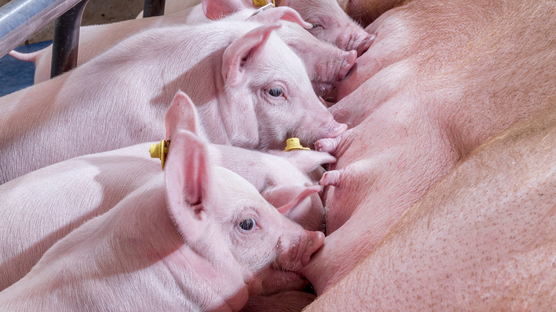
Lactation is one of the most challenging stages in a sow’s production cycle. During this period, the priority is to maximize milk output while preserving body condition. Success depends on a proactive strategy that combines precise feeding practices with consistent water management.
The critical role of feed intake in lactation performance
During lactation, the sow’s energy needs increase significantly. If feed intake drops, milk production suffers, and body reserves are depleted. Monitoring and stimulating feed intake is therefore essential for both sow health and piglet growth.
Key feeding strategies
Start by ensuring sows are never fully restricted during farrowing. They need energy to recover and produce milk. In early lactation, gradually increase feed allowance and, when possible, transition to ad libitum systems where feed is always available. These steps help maintain appetite and support milk yield.
For farms using handfeeding, accurate record-keeping on individual sow cards is crucial. It allows you to track feeding behavior and spot changes early. Electronic lactation feeders can simplify this process by automating feeding while still enabling close monitoring. Setting up alerts ensures you quickly detect deviations from expected intake patterns.

Encouraging regular consumption
Even with ad libitum systems, staff should actively encourage sows to eat, especially in the first few days after farrowing when intake is most critical. Check feed consumption at every feeding and observe patterns to identify early signs of reduced appetite or health issues.
- Make sure gilts are familiar with feeders and water sources before farrowing
- Encourage sows to stand up during feeding to stimulate appetite
- Remove any moldy feed and always provide fresh, clean water
- Conduct regular health checks and watch for signs of illness such as MMA (Mastitis, Metritis, Agalactia), abnormal discharge, or loss of appetite. If symptoms appear, consult a veterinarian immediately
Don’t forget the water!
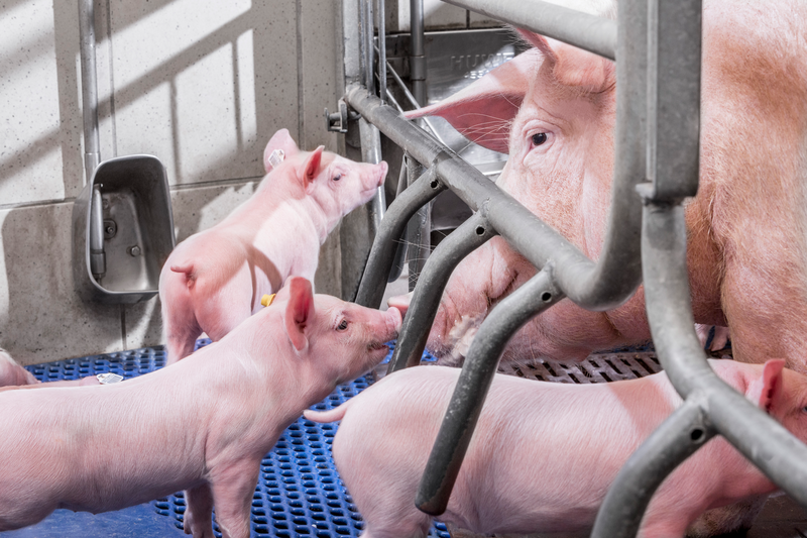
Water is just as important as feed. A lactating sow can drink around 27 liters per day, so ensure water flow rates of 2.5 to 3 liters per minute. Also, provide drinkers for piglets. Access to clean water is non-negotiable for successful lactation.