Published on Dec. 16, 2025
How to achieve reproductive success with Hypor gilts and sows
Successful mating management is the foundation of a productive breeding program. Every detail matters from gilt preparation to insemination techniques. These steps directly impact fertility, litter size, and long-term herd performance. This article is designed for Hypor products.
Reproductive efficiency is one of the most critical drivers of profitability in pig production. Proper mating management ensures gilts and sows enter gestation in the best possible condition, reducing stress and improving conception rates. Neglecting these steps can lead to irregular cycles, poor body condition, and lower farrowing success.
Setting gilts up for success
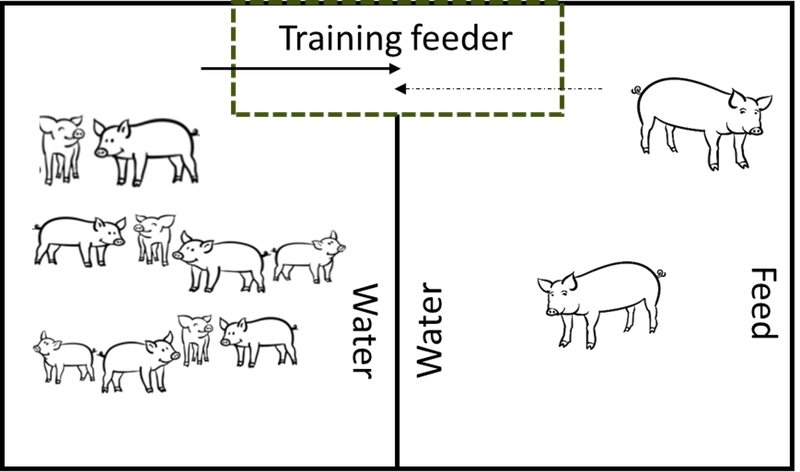
Before insemination, gilts need time to acclimate to their new environment. Stress during this period can negatively affect ovulation and conception. Steps you need to consider:
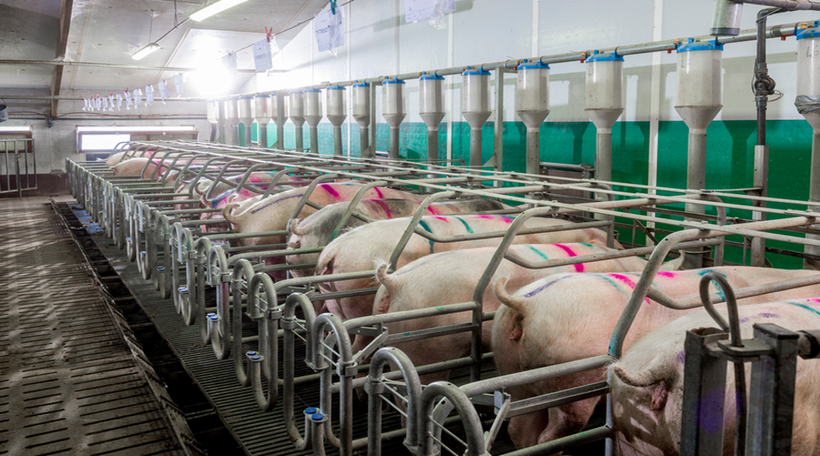
- Introduce gilts to breeding areas at least three weeks before insemination. This adaptation period helps them adjust to housing and reduces stress.
- If using individual crates, move gilts early to ensure comfort during insemination.
- For farms with Electronic Feeding Stations, provide a training phase so gilts learn how to use the system effectively.
- Always check local regulations and adapt practices to comply with animal welfare standards.
By giving gilts time to settle, you promote well-being and set the stage for a smooth transition into gestation.
Targets for gilts at first insemination
Meeting physical targets is essential for reproductive success. For Hypor gilts, aim for:
- Age: Minimum 240 days
- Weight: Around 150 kg
- Back fat thickness: 15 mm
These benchmarks ensure gilts have reached sexual maturity and have sufficient body reserves to support pregnancy and lactation.
Targets for sows after weaning
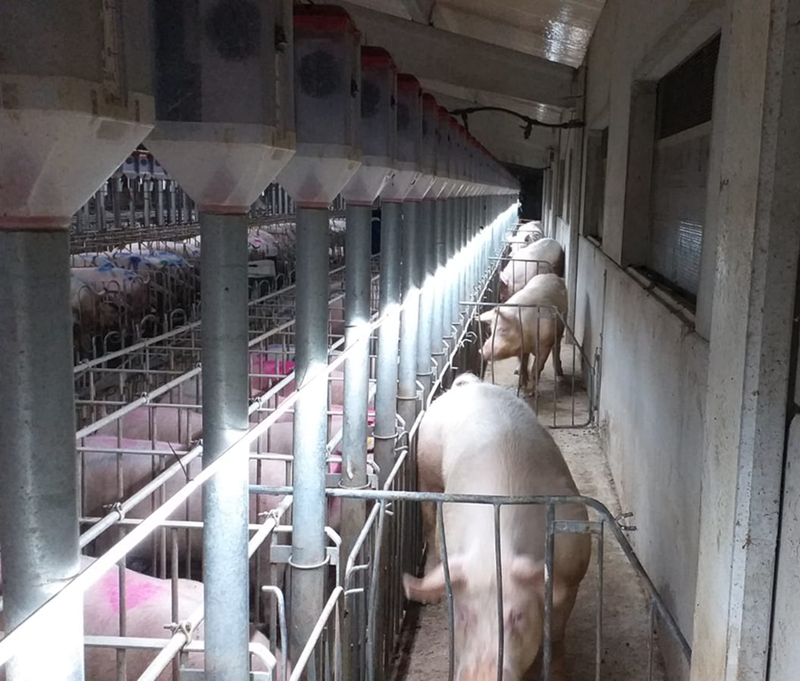
For sows, the goal at first insemination post-weaning is a back fat thickness of 13 mm. Maintaining consistent body condition throughout gestation and lactation prevents metabolic stress and supports high milk production later.
Boosting ovulation and fertility
A flushing period before insemination is highly recommended. Increase feed levels and add top dressing with sugar dextrose to stimulate ovulation and improve conception rates. This nutritional boost helps synchronize cycles and enhances reproductive performance.
Accuracy is key for heat detection
Detecting heat correctly is critical for timing insemination. You need to provide good boar contact and back-pressure stimulation at least twice daily for 10 minutes each. Ensure 16 hours of light in the breeding area to support hormonal activity. Then observe behavioral signs such as standing reflex and increased activity. Accurate heat detection reduces missed cycles and improves farrowing rates.
Hypor products are designed for robust performance and efficiency, but genetics alone cannot guarantee success. Proper mating management ensures gilts and sows reach their full potential, delivering larger, healthier litters and improving overall herd productivity. For more information, refer to our Mating Management Vlog.